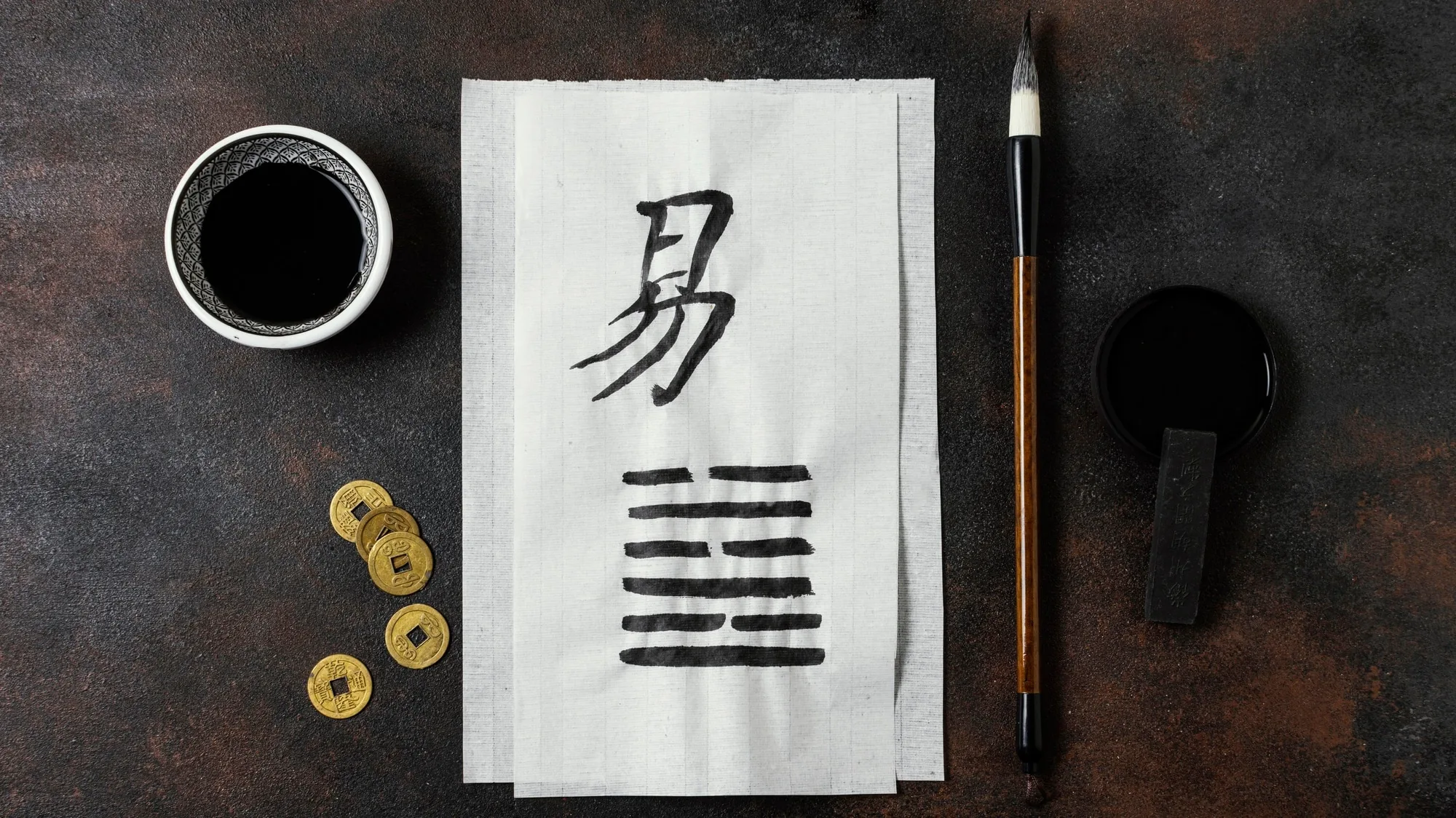
Approaches · Calligraphy
Not every path to the brush leads to the same place.
A calm look at different ways of approaching shodō, and where a studio practice fits among them.
Back to studioWhy compare at all
There are several ways to begin a calligraphy practice. Each one asks something different of you.
Some people learn through video, some through books, some through group courses. Some arrive at a studio with no expectations at all. None of these is wrong. What they offer — and what they ask in return — does differ in ways worth considering before you choose.
This page is not intended to argue for one approach over another. It is an attempt to lay out the actual differences, plainly, so that anyone curious about shodō can find what suits them without guesswork.
A studio session is one option among several. We describe it honestly, alongside the rest.
Side by side
How a self-directed path compares with guided studio practice.
| Aspect | Self-directed learning | Studio practice at Tempest Drift Node |
|---|---|---|
| Starting point | Requires sourcing materials, finding references, and working through initial uncertainty alone | All materials prepared. A guide is present from the first moment. Nothing needs to be figured out before you begin |
| Feedback on technique | Limited to what can be seen in video or read in instruction. Errors in grip or posture can persist unnoticed | Immediate, personal observation of how you hold the brush and where tension sits. Corrections offered gently as you work |
| Pace of learning | Flexible and fully self-determined, but can lead to moving on before a foundation is settled | Shaped by your pace in the room. Neither rushed toward the next step nor held back when you are ready |
| Materials | Purchased separately, often without guidance on what quality or type suits a beginner | Chosen and prepared in advance — brushes, ink stones, ink sticks, paper — appropriate to the session and the hand |
| Cultural context | Available through reading and research, but usually encountered separately from the practice itself | Woven into the session naturally — the meaning of a character, the logic behind a stroke order, the aesthetics informing the work |
| What you leave with | Developing knowledge and practice pieces kept at home | A finished work made that day, wrapped to carry home, along with a clearer sense of what the practice involves |
What distinguishes this studio
Small groups, prepared materials, and a pace shaped by whoever is in the room.
Sessions limited to four to six guests
This is not a class of twenty. The studio keeps numbers deliberately low so that attention can remain genuinely personal throughout. If a guest needs more time on a stroke, that time is given. If the work comes naturally, the session moves with it.
No prior knowledge assumed
The sessions are built around the person arriving, not around a fixed curriculum. Whether someone has studied Japanese for years or has never encountered the script, the starting point adjusts accordingly.
A working studio, not a tourist attraction
Tempest Drift Node is a place where the practice is taken seriously without being made intimidating. The atmosphere is quiet and ordinary in the best sense — a room where people come to work with brushes and leave with something made by hand.
Continuity available for those who return
Guests who wish to go further can move into the Practice Series, which builds across three sessions. The work done in earlier visits informs what comes next. Nothing is repeated for its own sake.
On effectiveness
What tends to support a steadier hand, and why direct observation matters.
Grip and posture
These are difficult to self-diagnose. A guide who can see how the brush is held can notice tension that the person holding it cannot feel. This is why in-person instruction tends to build a steadier foundation more quickly than video alone.
Ink density and brush load
The amount of ink on the brush and how it is loaded are tactile. Written instructions describe it; standing beside someone who shows you is different. The hand learns through doing, not through reading about doing.
Reading the finished work
A practitioner looking at your work can point to where breath left the stroke, where speed changed the weight of the line, where hesitation showed. This kind of reading is something that develops slowly on one's own but can be offered directly in a session.
Investment and value
A clear look at what different approaches cost, in time and money.
Self-directed
- — Initial outlay for brushes, ink, stone, and paper: typically ¥4,000–¥12,000 for beginner-quality materials
- — Time spent finding reliable instruction: variable, sometimes considerable
- — Errors in foundational technique may take months to identify and unlearn
- — Ongoing cost low once materials are in place
- — Well suited to those with self-discipline and access to good reference material
Studio session at Tempest Drift Node
- — All materials included — no separate purchase needed before the first session
- — Introductory session from ¥3,600; no ongoing commitment required
- — Foundation built correctly from the first session, reducing the likelihood of habits that need correcting
- — Practice Series includes a brush and ink set to take home (¥15,900 for three sessions)
- — Each session produces a finished piece to carry away
The experience
What the time in the studio feels like, compared with working alone.
Working alone at home
You set your own schedule and environment
Distractions are present unless deliberately removed
Progress is self-assessed, which can be difficult to do accurately
Questions arise without a ready answer nearby
Motivation depends entirely on internal drive
A session at Tempest Drift Node
The studio environment is arranged for the practice — quiet, uncluttered, prepared
The room itself reduces distraction; arriving becomes the act of setting intention
Progress is observed and reflected back with care and without judgment
Questions are welcomed as part of the session, not as interruptions
The presence of others working quietly tends to carry its own steadying quality
Over time
What a practice built on correct foundations tends to look like after a year.
The hand remembers what it has done correctly
Technique absorbed in a body of good habit continues to operate even when attention drifts. A session that builds this from the beginning tends to serve the practice longer than one that requires corrections later.
The practice sustains because it satisfies
People who continue with shodō beyond an initial session usually do so because something in the practice gives them something they need — stillness, focus, a particular kind of absorption. This tends to emerge most readily when the early sessions are unhurried.
Small beginnings carry forward
A single session, taken seriously, can be the beginning of a practice that continues for years. The Practice Series at Tempest Drift Node is designed with this in mind — not to replace ongoing study, but to lay the ground for it.
Common questions
A few things worth clarifying before anyone decides how to begin.
"Calligraphy is only for people who already have tidy handwriting."
"A video tutorial is essentially the same thing as a studio session."
"Studio sessions are for serious students, not casual visitors."
"You need to know Japanese to participate in shodō."
A summary
For someone who wants to encounter shodō properly, without needing to already know how.
No preparation or prior knowledge needed — the studio handles everything
Foundation built correctly from the beginning, in person
Sessions conducted in English with cultural context explained throughout
Small groups preserve the quiet atmosphere and personal attention
A finished piece to take home from every session
Open to visitors to Kyoto and those with no intention of continuing — one session is complete in itself
Begin
If any of this sounds like what you have been looking for, we are glad to hear from you.
Write through the contact form on the studio page. We will help you find the session that fits — whether that is a single morning with a brush or three sessions over a few weeks.
Get in touch